
The Christmas period is arguably one of the most popular season in the yearly calendar, world over. About 2.2 billion people in the world subscribe to the Christian faith. This is about 31% of the world population which stands at slightly over 7 billion.
For home owners, it is important to be aware of some of the Christmas gifts you could do with for your house during this period as you celebrate with friends and loved ones. Below is a look at some of the ideas for Christmas Gifts for your home:
Children Gifts
Children are naturally enthusiastic about the Christmas period. They usually wait in anticipation for the season and form the onset, they make most of it by sharing great moments with their friends and schoolmates.
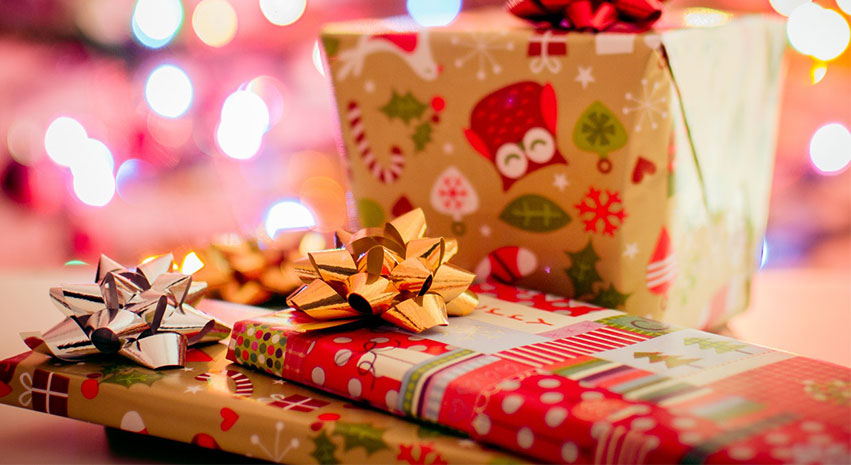
It is important while planning for Christmas gifts, children’s needs are factored in so that they too can feel as part of the season. From Christmas trees to Christmas themed personalized gifts, there is quite a variety when it comes to what excites them. It is therefore imperative that their needs are factored in when planning for the home Christmas gifts.
Christmas Decorations
In addition to the Christmas tree, flowers and neon lights are quite a sensation during the Christmas period. These could be a great idea for Christmas gifts when you are faced with a decision to make up your mind on which gift to get for a friend. These are readily available during that period and they are relatively affordable.
Flowers and Faux Plants
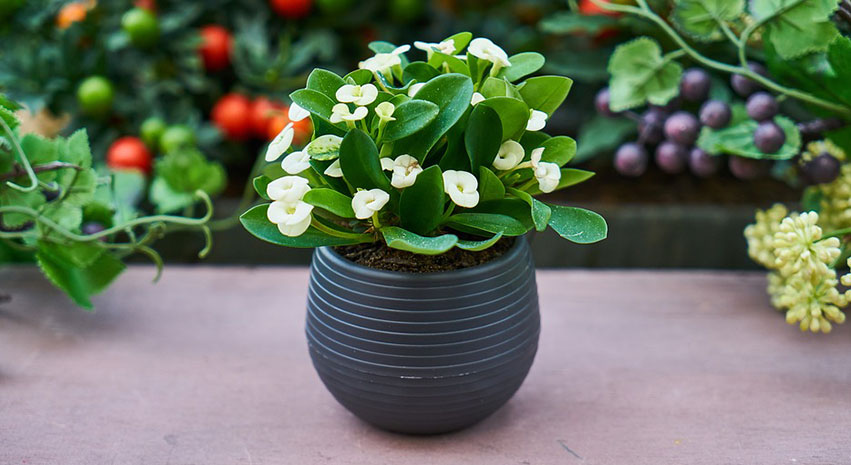
Faux Plants are those that look exactly like live plants even though they are artificial. They are very good decorative ideas that could be used to give a great visual appeal to a home, especially during the Christmas period. These could be blended with natural flowers picked from the garden or florist to give the interior a great festive look. To get some great ideas for christmas hamper gifts visit https://www.hampercreations.com.au/
Mirrors
Home mirror, when used in a well thought out and planned manner can be a great way to give the interior of a house a beautiful décor and classy finish. Positioned in vantage angles and well placed to give attractive reflections, they add a noble finish to the whole house almost effortlessly.
Family Portraits
Could be a wedding or marriage anniversary, a graduation or proposal moment captured sometime back on camera and stored in a photograph. This could be a very deep surprise when given out as a Christmas gift. These, hanged in strategic places in the living room or bedroom do so well in bringing out that celebratory mood to the home occupants.